

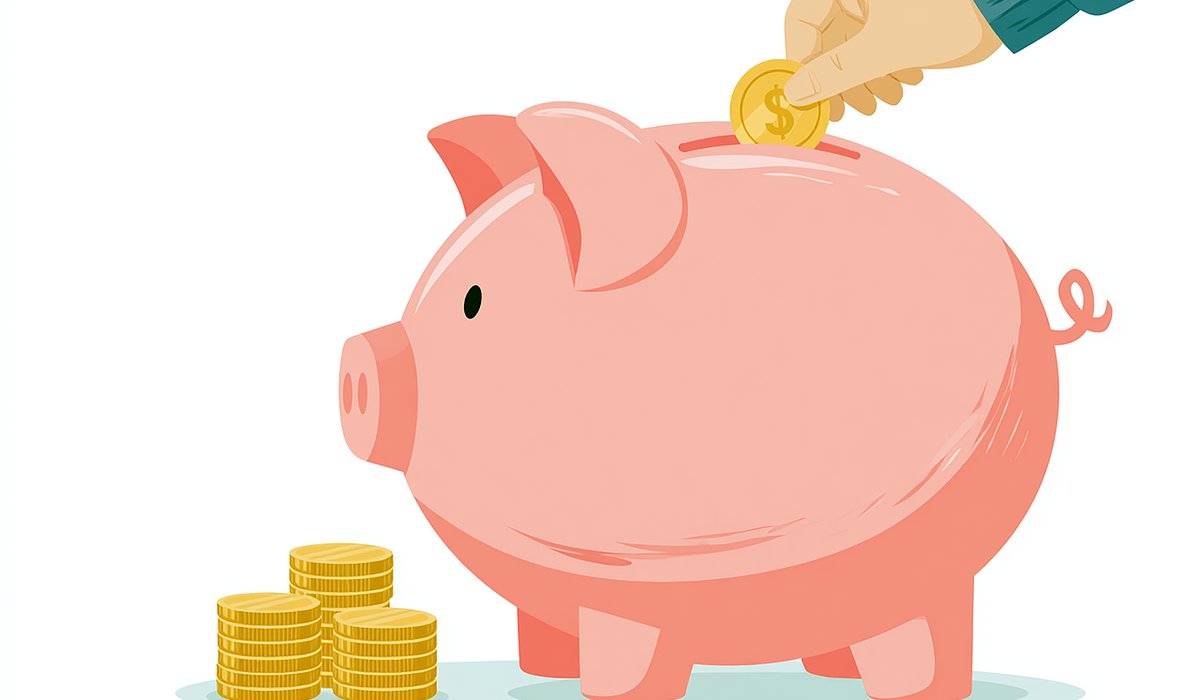
Managing Money After a Sudden Change in Income
Start with the money that has to go out
When income falls suddenly — a job ending, hours cut, a contract that wasn't renewed, a period of sick leave — the temptation is to panic about everything at once. It helps to slow down and work through things in a set order. The first step is not to cut anything. It is to find out what your essential outgoings actually are.
Go through your last two or three months of bank statements and list the payments you genuinely cannot stop:
- Rent or mortgage, and any arrears on either
- Council Tax
- Gas, electricity and water
- Food and basic household supplies
- Insurance you are legally or practically required to hold, such as buildings or car cover
- Travel needed to get to work or to interviews
- Phone and broadband, if they are needed for work or job hunting
- Minimum payments on loans, credit cards and overdrafts
These matter more than the rest because falling behind on them has the sharpest consequences. Rent and mortgage arrears, Council Tax, energy bills, court fines and tax debts are what advisers call priority debts. Credit cards and catalogue accounts are unpleasant to miss, but they are not in the same category.
Now add up your essential outgoings and compare them with your new income. That gap — income minus essentials — is the number you are actually solving for. Everything else in this article is about closing it.
Pause the spending that isn't urgent
Once you know the shortfall, look at what can wait. A useful rule is the thirty-day pause: if a purchase is not essential to health, housing, work or getting more income, put it off for a month. Most of it will stop feeling necessary.
- List every subscription leaving your account — streaming, gym, apps, delivery passes, cloud storage — and cancel the ones you won't genuinely miss within a week.
- Downgrade rather than cancel where it is cheaper to stay: broadband tiers, mobile plans, insurance add-ons you never claim on.
- Pause overpayments on mortgages, extra pension contributions above your employer's match, and regular transfers into savings or investments. Restart them when income recovers.
- Switch to cash or a separate card for day-to-day spending for a few weeks. It makes the limit visible.
One firm warning: do not cancel direct debits for priority debts to free up cash. A missed Council Tax instalment or energy payment creates problems that cost far more than the money saved. If you can't pay, talk to the provider instead — that is the next step.
Contact lenders and providers early
The single most useful thing you can do is make contact before you miss a payment, not after. Lenders, councils and utility providers all have processes for people whose circumstances have changed, and they are far more flexible with someone who calls on day one than someone who goes quiet for three months.
Have a short script ready. Something like: "My income has dropped because of X. I can afford £Y a month from now on. What options do you have?" Then ask specifically about:
- A payment holiday or reduced payments for an agreed period
- Switching a repayment loan to interest-only, or extending the term
- Spreading Council Tax over twelve months instead of ten
- A repayment plan for arrears, based on what you can realistically afford
Always ask for the agreement in writing, and keep a note of the date, the person you spoke to and what was agreed. If a lender won't budge, or the debt is larger than a few months of tight budgeting can fix, speak to a free, independent debt advice charity. Their help costs nothing, they are not paid by lenders, and they have seen your situation many times before.
A simple bookkeeping habit for households
Most money stress comes from not knowing the numbers. A twenty-minute weekly routine removes most of it.
- Choose one evening a week and put it in the diary.
- Open your banking app and your budget — a spreadsheet, an app, or simply a notebook with columns for date, description, in and out.
- Update every transaction since last week. Don't categorise perfectly; a handful of broad headings will do.
- Check what is due in the next seven days and confirm there is enough in the account.
- Move anything spare into a separate "buffer" account you don't carry a card for.
If you share finances with a partner, do this together. Two people who both know the numbers argue about money far less.
If you are self-employed or run a small business
A sudden income change hits sole traders and small companies hard, because household and business money often blur together. Separate them now, even if it is just a second current account. Pay yourself a fixed amount on a fixed day rather than dipping in as needed.
Keep every invoice, receipt and bank statement, and reconcile them weekly rather than in a panic at year end. Set aside a percentage of every payment you receive — 20 to 30 per cent of profit is a reasonable starting point — into a separate tax account. If a tax bill is coming and you can't cover it, contact HMRC before the deadline to ask about a payment plan. They would much rather agree a schedule than chase you.
Rebuild breathing room in small steps
Once essentials are covered and arrangements are in place, aim for a buffer rather than a big savings goal. Even £500 set aside for emergencies changes how a broken boiler or a car repair feels. Add to it weekly, in whatever amount you can manage, and treat it as a bill rather than a leftover.
Review everything after three months. Income may have recovered, or it may not have. Either way, you will be making decisions from real numbers instead of worry — which is the whole point of keeping simple, honest books.


Budgeting
-
Discuss short and long-term aims, agree on priorities, and create a joint budget that leaves room for individual spending.


Debt Help




-

Long established fact that a reader will be distracted
-

Long established fact that a reader will be distracted
-

Long established fact that a reader will be distracted




Saving
Karla Gleichauf
12 May 2017 at 05:28 pm
On the other hand, we denounce with righteous indignation and dislike men who are so beguiled and demoralized by the charms of pleasure of the moment
M Shyamalan
12 May 2017 at 05:28 pm
On the other hand, we denounce with righteous indignation and dislike men who are so beguiled and demoralized by the charms of pleasure of the moment
Liz Montano
12 May 2017 at 05:28 pm
On the other hand, we denounce with righteous indignation and dislike men who are so beguiled and demoralized by the charms of pleasure of the moment